Stress Relief: Five Foods That Actually Work
The right food choices make a real difference when stress overwhelms you. Certain foods lower stress markers in your body and help maintain a calmer mind. Our team at our assisted living community in Dearborn, MI, witnesses this important connection between nutrition and emotional health every day. This guide shares five proven foods that reduce stress naturally. You’ll learn how these foods calm your nervous system, discover simple ways to add them to your daily meals and see how to build a stress-relief eating plan that fits your life. The connection between what you eat and how you feel becomes clearer with each bite you take.
Five Powerful Foods That Combat Stress Naturally
- Fatty fish rich in omega-3s
Salmon, mackerel, sardines, tuna and herring contain high omega-3 levels that help balance dopamine and serotonin, two key mood-regulating neurotransmitters.
These essential fats work by:
- Reducing brain inflammation
- Maintaining healthy brain cell membranes
- Supporting brain cell communication
- Balancing adrenaline during stressful moments
- Complex carbs for serotonin production
Complex carbohydrates directly influence your brain’s serotonin production – the “happiness hormone.” Unlike simple carbs that spike blood sugar, complex carbs provide steady energy and mood stability. Excellent complex carbohydrate sources include:
- Oatmeal (regulates serotonin for better relaxation and calm)
- Sweet potatoes (shown to lower cortisol by 13% in one 8-week study)
- Whole grain bread and pasta
- Legumes like lentils and chickpeas
- Quinoa and barley
- Magnesium-packed leafy greens
Magnesium deficiency is linked to increased stress, anxiety and even depression. About 15-20% of people in developed countries have low magnesium levels. This matters because chronic stress depletes magnesium, creating a harmful cycle. Leafy greens provide exceptional amounts of this vital mineral:
- Spinach (cooked): 78 mg of magnesium per 1/2 cup
- Swiss chard (cooked): 75 mg of magnesium per 1/2 cup
- Collard greens: 25 mg of magnesium per 1/2 cup
These greens offer additional stress-fighting benefits:
- Folate (vitamin B9), which boosts serotonin levels
- Vitamin C supports immune function during stressful times
- Antioxidants that protect brain cells from damage
- Vitamin C foods that lower cortisol
Vitamin C has a key role in stress management. One notable study found that people with high vitamin C levels didn’t show expected stress signs when facing acute psychological challenges. They recovered from stressful situations faster than those with low vitamin C. Studies show that vitamin C supplementation before stressful events:
- Significantly reduces cortisol levels
- Improves how participants feel during stress
- Sometimes returns elevated cortisol to normal ranges
Best vitamin C food sources include:
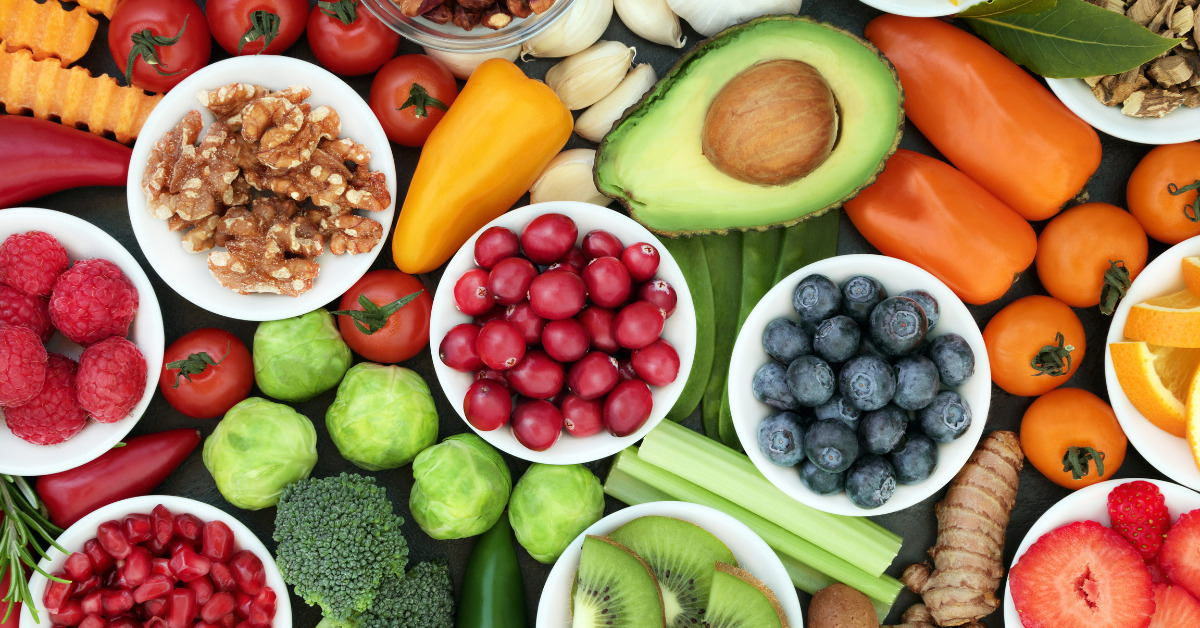
- Bell peppers (yellow ones have almost twice the vitamin C of oranges)
- Citrus fruits (oranges, lemons, grapefruits)
- Broccoli (contains twice the vitamin C of oranges)
- Kiwi and strawberries
- Acerola cherries (50-100% more vitamin C than citrus)
Vitamin C is a great antioxidant that protects your body from inflammation caused by oxidative stress. It helps regulate adrenal glands, which control cortisol production. Seniors need adequate vitamin C intake especially as absorption decreases with age.
- Nuts and seeds for B vitamins
Nuts and seeds fight stress through multiple pathways. These small nutritional powerhouses contain B vitamins essential for stress management. Each B vitamin serves specific stress-reducing functions:
- B1 regulates blood sugar levels (spikes can trigger anxiety)
- B6 balances serotonin and magnesium levels
- B9 (folate) has natural antidepressant properties
- B-complex vitamins work together for optimal stress reduction
Top choices include:
- Almonds: 80 mg of magnesium per ounce
- Cashews: 72 mg of magnesium per ounce and rich in B6
- Pumpkin seeds: 150 mg of magnesium per ounce
- Flaxseeds: 40 mg of magnesium per tablespoon and rich in omega-3s
Research shows nuts and seeds also:
- Contains tryptophan, which helps produce serotonin and melatonin
- Provide zinc and selenium, which maintain brain function
- Reduce vascular stress through their healthy fat content
One Simple Choice
Success doesn’t require dramatic diet overhauls. Small, consistent changes make the difference. Adding salmon to your weekly meals or choosing nuts instead of processed snacks creates meaningful improvements in how you handle stress over time. Ready to see how proper nutrition can change your relationship with stress? Contact us at (800) 642-4663 to schedule a tour of our assisted living apartments and learn more about The Commons Corewell Health – Senior Living – Dearborn. Your path to better stress management through nutrition begins with one simple choice – selecting foods that nourish both your body and mind.
FAQs
Q1. What are some of the most effective foods for reducing stress? Foods that are rich in omega-3 fatty acids, complex carbohydrates, magnesium, vitamin C and B vitamins are particularly effective for reducing stress. Examples include fatty fish like salmon, whole grains, leafy greens, citrus fruits, nuts, and seeds.
Q2. How can seniors incorporate stress-relieving foods into their daily meals? Seniors in assisted living can incorporate stress-relieving foods by including options like yogurt with berries for breakfast, salmon and spinach salad for lunch and sweet potato and lentil bowls for dinner. Healthy snacks like nuts and fruit mix can also help manage stress throughout the day.Q3. Are there any specific nutritional needs for older adults when it comes to stress management? Yes, older adults have unique nutritional needs for stress management. They require fewer calories but higher nutrient density, with a focus on B vitamins, magnesium and omega-3 fatty acids. Proper hydration is also crucial for seniors to manage stress effectively.