Five Tech Tools for Total Wellness: Your Digital Health Guide
Health technology tools now make daily life easier for seniors, from simple activity trackers to helpful medication reminders. These digital wellness tools allow older adults to maintain their independence while keeping strong connections with caregivers and family members at assisted living in Farmington Hills, MI.
This guide walks you through five essential tech tools that support complete wellness. You’ll learn how these practical innovations help with physical health, nutrition, emotional well-being, quality sleep and senior care needs.
Smart Devices for Physical Health Monitoring
Smart devices have made physical health monitoring easier than ever before. These tools track everything from daily steps to detailed body composition, giving you valuable insights into your personal wellness journey. This deeper awareness proves especially helpful for residents in assisted living in Corewell Health – The Commons at Farmington Hills who wish to maintain control over their health.
- Wearable fitness trackers and their benefits
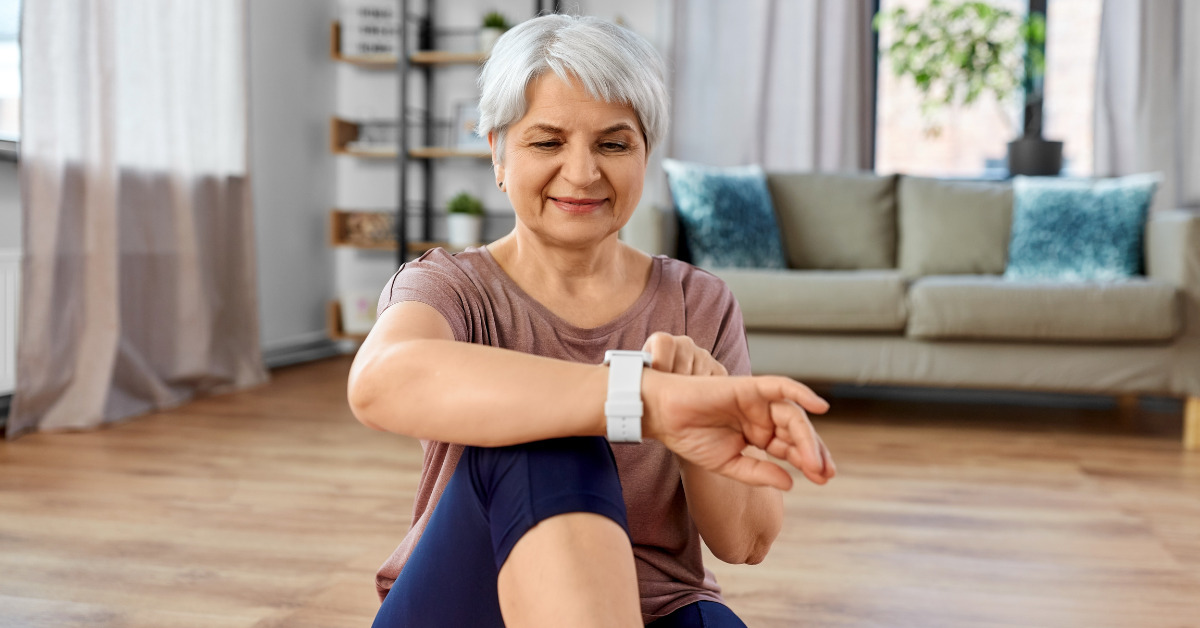
The popularity of fitness trackers has soared, with about one in five people now using smartwatches or fitness bands. These devices do far more than count steps—they’ve become comprehensive health monitors that can change how you approach physical wellness.
Research confirms these trackers actually help users become more active.
The largest study on this topic found that wearing fitness trackers increased daily steps by an average of 1,235 and added 49 minutes of moderate-to-vigorous physical activity weekly. That’s roughly one-third of the 150 minutes recommended by federal guidelines—a meaningful improvement with potential heart health benefits.
These devices shine by providing ongoing health monitoring rather than the limited snapshots you get during medical appointments. Today’s trackers offer rich feedback on the following:
- Steps taken and distance covered
- Calories burned during activities
- Active versus sedentary time
- Heart rate and heart rhythm patterns
- Sleep quality and duration
- Blood pressure and heart rate monitors
For heart health, home monitoring devices provide essential data that guides both lifestyle changes and medical care. Home blood pressure monitors prove especially important for anyone with high blood pressure.
For heart rate tracking, both chest straps and wrist-based monitors work well, though they differ in accuracy and convenience:
- Chest strap monitors use EKG sensors that provide exceptional accuracy even during intense exercise. These work best for serious fitness enthusiasts or those needing precise cardiac monitoring.
- Wrist-based monitors in smartwatches and fitness bands use optical sensors that shine light through your skin to detect blood flow. While slightly less accurate, they’re more convenient for everyday use.
Whatever monitoring devices you choose, the main benefit comes from gaining insight into your physical health metrics. This knowledge helps you take a more active role in your wellness journey, something especially important for seniors.
- Food tracking apps with nutritional insights
Food tracking apps have grown from basic calorie counters into robust nutrition management systems. These tools help you record and monitor what you eat while offering valuable insights about your dietary patterns. Unlike paper food journals, these digital options provide immediate feedback and detailed nutritional breakdowns of your meals.
When choosing a food-tracking app, focus primarily on accuracy. Cronometer stands out because all food submissions undergo verification before entering their database. With over 1.1 million verified food labels, such apps deliver reliable tracking essential for making smart dietary choices.
Quality food tracking apps typically include these helpful features:
- Barcode scanning for quick food logging (though some save this for paid versions)
- Custom meal creation for your frequently eaten combinations
- Recipe importing by simply pasting web addresses
- Nutrient tracking beyond calories (protein, sodium, sugar, etc.)

Mental Wellness Apps for Stress Management
Mental health deserves equal attention alongside physical wellness in your digital health approach. Whether handling everyday stress or facing more complex emotional challenges, technology offers valuable tools to support your mental well-being.
- Apps for stress management
Stress management apps have grown from basic relaxation tools into full-featured mental wellness platforms. Research confirms that these digital solutions effectively help users develop coping skills and reduce anxiety symptoms. Many now incorporate proven approaches like cognitive behavioral therapy (CBT), mindfulness meditation and guided breathing exercises.
For specific mental health concerns, specialized apps offer targeted help:
- MoodTools uses research-backed approaches for depression, letting you create thought diaries to identify negative patterns, track symptom severity and access therapeutic activities.
- PTSD Coach, created by the U.S. Department of Veterans Affairs, provides visualization exercises, breathing techniques and self-help strategies designed specifically for post-traumatic stress.
- MindShift CBT offers cognitive behavioral therapy tools, including a thought journal and coping cards with positive affirmations.
Happify takes a different path by focusing on positive psychology to reduce stress and anxiety. The app helps you manage thoughts and build a more positive outlook, which studies link to lower stress levels and greater resilience.
- Sleep tracking devices and their features
Sleep-tracking wearables give you unprecedented insights into your nightly rest patterns. The Oura Ring Gen3, a subtle titanium band, uses infrared beams to measure breathing rate, heart rate variability, blood-oxygen levels and body temperature. These measurements generate daily Sleep, Activity and Readiness scores to guide your wellness decisions.
Beyond wrist-worn options, several specialized tracking solutions exist:
- Smart headbands like Muse S track brain activity like an electroencephalogram (EEG) while monitoring heart rate and movement.
- Under-mattress sensors that gently vibrate to help you fall asleep and stay asleep.
- Sleep tracking mats are placed under your mattress for those who prefer not to wear devices to bed.
When choosing a sleep tracker, consider comfort, battery life, which metrics it measures and whether it requires a monthly subscription. Most importantly, use the data to spot trends rather than worry about night-to-night changes.
These technological advances benefit seniors in particular. Modern health monitoring, medication management tools and emergency response systems create living spaces that feel safer and more connected. Residents at The Commons at Farmington Hills enjoy this thoughtful approach to care—call (248) 477-7400 to discover how these innovations enhance senior living.
FAQs
Q1. What are some popular wearable fitness trackers and what are their benefits? Wearable fitness trackers like Fitbit and Apple Watch have become increasingly popular. They monitor various health metrics, including steps taken, calories burned, heart rate and sleep quality. Studies show these devices can increase daily physical activity by an average of 1,235 steps and 49 minutes of moderate-to-vigorous activity per week, potentially improving heart health.
Q2. What features should I look for in a food-tracking app? Key features to consider in food tracking apps include barcode scanning for quick logging, custom meal creation, recipe importing and comprehensive nutrient tracking beyond just calories. Some apps like Cronometer stand out for their verified food databases. These apps can increase awareness of eating habits and encourage more mindful food choices.Q3. What types of sleep-tracking devices are available and how do they work? Sleep tracking devices come in various forms, including wearables like smartwatches and rings, smart headbands, under-mattress sensors and sleep tracking mats. These devices monitor metrics such as sleep duration, stages and heart rate to provide insights into sleep quality. Some advanced trackers even measure brain activity in a way that is similar to an EEG.