Honoring Heritage: Senior Traditions That Last Forever
Family traditions create powerful bonds that connect generations through meaningful memories. You might worry that moving to a senior living community in Farmington Hills, MI, could disrupt these cherished customs. The truth? This new chapter actually offers fresh opportunities to keep your family connections strong.
The real secret isn’t just keeping traditions exactly as they were—it’s thoughtfully adapting them to fit your new life.
Whether you’re exploring independent living options or simply want to maintain family connections, these meaningful customs serve as a bridge linking your rich past with your present experiences.
The Heart of Family Traditions in Senior Years
Family traditions evolve from simple customs into meaningful anchors that shape one’s sense of identity as one journey through one’s senior years. For those living in a senior living community like Corewell Health—The Commons at Farmington Hills, these traditions grow even more precious, creating powerful connections to cherished memories and beloved family members.
Why traditions matter more with age
The value of traditions deepens significantly as we grow older. Research reveals that family routines and rituals effectively organize family life, providing stability during stressful transitions. These meaningful customs offer seniors essential emotional and psychological benefits:
- Sense of identity and belonging – Traditions strengthen personal identity and help you feel connected to your heritage, which is particularly valuable when other life aspects are changing
- Emotional well-being – Familiar customs bring positive memories to life, offering continuity and stability
- Social connection – Sharing traditions helps maintain relationships with loved ones while building new friendships
- Cultural continuity – Honoring cultural and religious traditions reinforces your personal identity
For many seniors, familiar routines like holiday gatherings or Sunday activities transform beyond mere events—they become powerful symbols that say “This is who we are” as a family and maintain continuity across generations. These traditions also provide valuable cognitive stimulation, activating memory recall and supporting brain function.
Adapting Cherished Customs for Independent Living
The heart of traditions lies not in their complexity but in their emotional significance. When you simplify customs while preserving their core meaning, you can continue participating without feeling overwhelmed. Try these practical approaches to simplification:
- Focus on key elements – Identify what matters most about your tradition and prioritize those aspects
- Delegate responsibilities – Welcome help from family members who can handle preparation tasks
- Choose quality over quantity – Instead of hosting multiple events, pour your energy into making one gathering truly special.
- Create new versions – Transform elaborate cooking traditions into simpler alternatives that preserve flavor without extensive preparation
Adapting traditions doesn’t diminish them—it distills them to their essence. These simplified versions often reveal what was truly important all along.
Documenting Your Family Legacy
Preserving your unique heritage grows more valuable as you settle into a senior living community in Farmington Hills, MI. Beyond simply practicing traditions, documenting them ensures your family’s story lives on for generations to come.
- Creating traditional journals and memory books
Memory books offer tangible connections to your heritage while supporting cognitive health. These personal creations evolve beyond simple collections into family heirlooms that strengthen your sense of identity. When creating meaningful tradition journals:
- Focus on experiences – Capture holiday celebrations, recipes and special moments with your personal reflections
- Include visual elements – Add photographs, ticket stubs or pressed flowers to bring memories to life
- Invite collaboration – Encourage family members to share their perspectives on your shared traditions
Many seniors discover that creating these books becomes a fulfilling activity that naturally sparks conversations with visitors and new friends. The process itself often evolves into a cherished routine you’ll look forward to.
- Recording oral histories and family stories
Your voice carries unique power—those inflections, pauses and emotions that written words simply cannot capture. Recording your stories preserves these precious elements for future generations.
Preparation makes all the difference when collecting oral histories. Begin with chronological questions about childhood and early memories before exploring specific traditions. Include daily routines and neighborhood descriptions. Create a comfortable, quiet environment and consider recording in 30-45 minute sessions to prevent tiredness.
Remember that everyday stories hold tremendous value. Seemingly ordinary details often become the most fascinating glimpses into the past for your family members
- Digital archives for future generations
Technology gives us wonderful preservation opportunities today. Digital formats help your legacy remain accessible even as physical items naturally deteriorate over time.
Digitizing important documents, photos and recordings creates a permanent collection that is easily shared with family members regardless of where they live. Cloud storage provides secure backups, while digital photo books beautifully blend tradition with modern technology.
Bridging Generations Through Shared Rituals
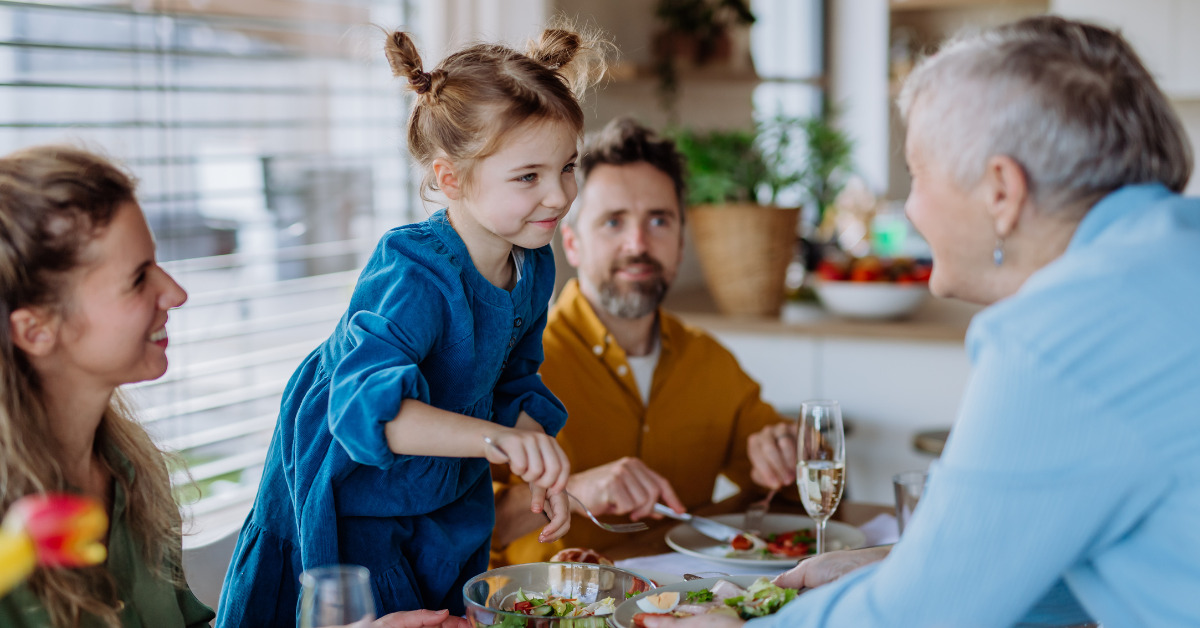
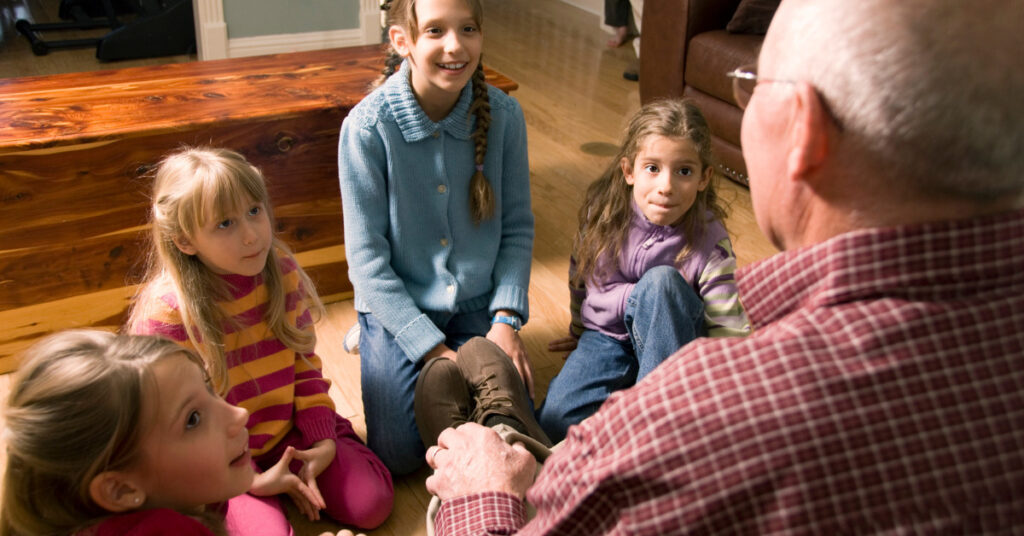
Grandparents serve as vital carriers of cultural knowledge and traditions for younger generations. This sharing between generations helps children develop a stronger identity and emotional resilience. Research shows that children who maintain close relationships with grandparents experience greater emotional well-being and life satisfaction as they grow older.
When sharing family customs with grandchildren, focus on:
- Storytelling and family history – Share stories that give context to traditions, helping grandchildren understand not just what you do but why it matters
- Hands-on learning – Teach practical skills like preparing family recipes, creating traditional crafts or practicing cultural customs through direct participation
- Cultural values – Use traditions as natural opportunities to share core family values that have supported previous generations
Family traditions create powerful bridges connecting generations, especially during significant life changes. Rather than seeing senior living as a barrier to cherished customs, embrace it as an opportunity to reimagine and strengthen these meaningful connections.
Maintaining these traditions becomes more manageable with proper support and guidance. Call our team at Corewell Health—The Commons at Farmington Hills at (248) 477-7400 to discover how senior living communities help families keep their cherished traditions alive.
FAQs
Q1. How can seniors maintain family traditions while living in a senior community? Seniors can adapt traditions by simplifying celebrations, using technology for virtual gatherings and utilizing community spaces for larger events. The key is to focus on the most meaningful aspects of traditions while adjusting them to fit new living arrangements.
Q2. What are some ways to document family traditions for future generations? Creating traditional journals, recording oral histories and developing digital archives are excellent ways to preserve family traditions. These methods help capture memories, stories and the essence of family customs for future generations to cherish.Q3. How can grandparents involve younger generations in family traditions? Grandparents can teach family customs through storytelling, hands-on learning experiences and sharing cultural values. Involving multiple generations in traditional planning and creating new cross-generational activities also helps bridge the gap between older and younger family members.