
Assisted Living: Find Gratitude and Growth in Senior Care?
Daily gratitude practices create measurable improvements in happiness and health for older adults considering assisted living in Dearborn, MI. Emotional growth in senior communities means finding ways to appreciate life’s continuing journey while embracing fresh opportunities for connection and purpose.
Assisted living communities can transform senior care from basic support to environments that foster emotional wellness, personal growth and daily appreciation.
Rather than traditional care models, The Commons at Dearborn assisted living creates environments where residents continue growing personally throughout their later years. Staff develop tailored care plans that address individual requirements, preferences and goals. Maintaining autonomy remains essential—communities support older adults in continuing their routines with professional assistance only when needed.
How Does Assisted Living Support Emotional Growth?
Assisted Living supports emotional growth by actively shifting a senior’s focus from “surviving” daily challenges to “thriving” in a supportive environment. It creates a foundation for growth through social connection, renewed purpose and intellectual stimulation, all while providing the net needed to take new emotional risks.
Many Dearborn communities weave mindfulness practices into daily schedules, creating structure that residents find comforting. These practices help older adults manage stress and improve overall quality of life through:
- Focused breathing exercises that anchor residents in the present moment
- Meditation sessions customized to address specific needs
- Body scan techniques that help release physical tension
Mindfulness sessions teach residents better emotion regulation—particularly valuable when facing challenges like health concerns or adjustments to new living environments.
Key mechanisms for emotional growth
The neighborhood effect
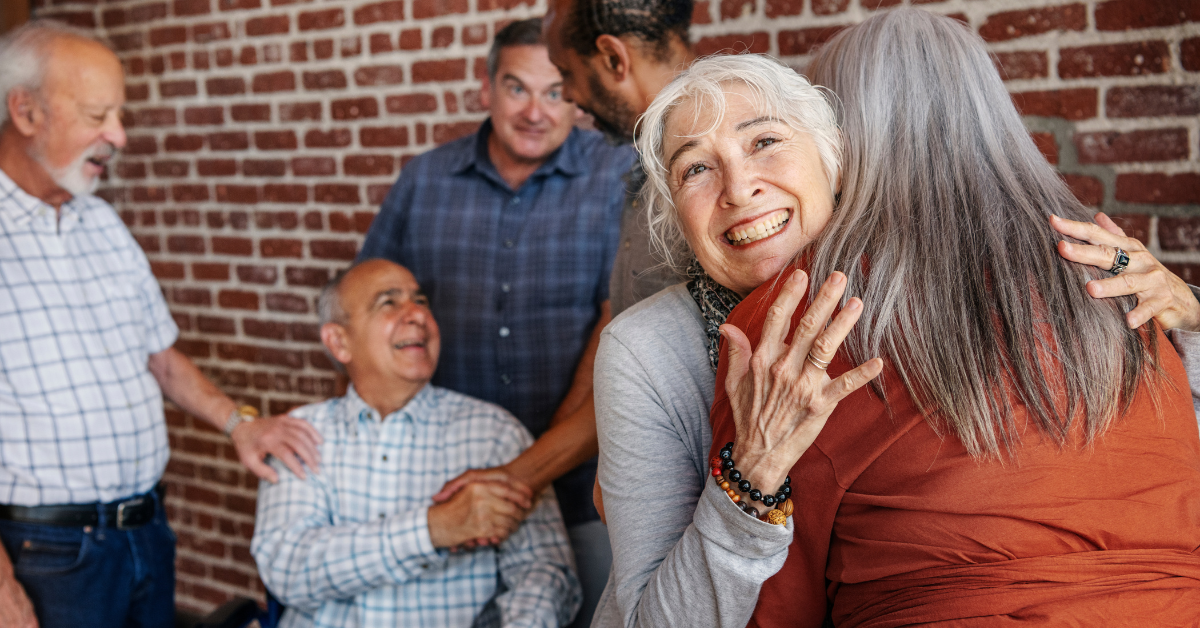
Emotional stagnation often stems from loneliness. Assisted living replaces isolation with a built-in community, fostering immediate peer connections.
- Daily events like dining and clubs remove the friction of making plans, allowing friendships to form naturally.
Living among peers with similar life transitions validates feelings and creates a support system that family members cannot always provide.
Sense of purpose in assisted living
Growth requires feeling needed. Communities actively combat the “loss of role” many seniors feel after retirement or losing a spouse.
Communities in Dearborn embrace resident-driven programming, where older adults propose, plan and lead activities. This collaborative approach creates greater satisfaction as activities reflect genuine interests. Residents experience enhanced well-being and stronger community bonds through shared leadership.
Growth mindset via lifelong learning
Modern communities prioritize neuroplasticity and skill acquisition over passive entertainment.
- Skill Acquisition: New hobbies, such as painting, languages or technology, encourage residents to be beginners again, fostering resilience and adaptability.
- Intellectual Challenge: Book clubs, guest lectures and current events discussions keep the mind agile and open to new perspectives.
Engaging in intellectually stimulating activities (new skills, volunteering or pursuing hobbies) may improve cognitive health and helps the brain adapt, directly supporting the text’s claims about neuroplasticity. (National Institute on Aging NIA, n.d)
Daily Gratitude Practices That Make a Difference
Practical gratitude exercises offer older adults powerful tools for enhancing daily life. Simple yet effective practices can shift outlook and wellbeing when woven into everyday routines.
Gratitude journaling that works
Keeping a gratitude journal creates remarkable advantages for older adults. This practice shifts focus from what’s missing to what’s present. Gratitude journaling can enhance sleep quality, enabling individuals to fall easily asleep and rest more peacefully. Regular journaling also strengthens memory and cognitive function through the reflective process.
Morning gratitude rituals
Start each morning with intentional appreciation to set a positive tone:
- Ask yourself, “What am I grateful for today?”
- Write down three specific things you appreciate before breakfast
- Build gratitude into your daily schedule like any other healthy habit
- Try morning prayers of thanksgiving to create a peaceful rhythm
Consistency matters more than perfection—choose what feels natural and stick with it.
Group gratitude and community connection
Assisted living communities foster collective appreciation through structured activities. Sharing gratitude in groups strengthens bonds between residents. Gratitude circles provide a space where community members exchange appreciation with one another. Some communities begin meetings with brief moments of gratitude, creating an atmosphere where positivity spreads naturally.
Handwritten appreciation
Expressing gratitude through handwritten notes carries special meaning. Writing gratitude letters creates lasting appreciation while acknowledging people who’ve made positive impacts. This practice strengthens relationships while increasing personal happiness. Send thank-you cards to healthcare providers, old friends and family members as a meaningful way to stay connected.
Nature-based gratitude practices
Outdoor gratitude combines physical and emotional benefits. During walks in natural settings, focus on beauty around you—note what you’re thankful for. This might mean appreciating sunlight filtering through leaves, listening to birdsong or feeling a gentle breeze. Nature experiences reduce blood pressure, lessen anxiety and ease mild depression. Gentle movement paired with natural beauty creates a calming effect.
Finding Your Community of Growth
Gratitude creates measurable change in physical and emotional well-being, particularly for older adults. Emotional wellness during aging means acknowledging challenges while focusing on possibilities. Personalized care at Dearborn communities respects individuality while providing just enough support to maintain independence and dignity. Mindfulness practices woven into daily routines help residents manage stress and find joy in simple moments.
Communities that prioritize both physical care and emotional growth create environments where older adults flourish completely.
Your search for the right community deserves thoughtful consideration of both practical needs and emotional well-being.
Ready to explore how gratitude and growth-focused care might benefit you or a loved one? Call Corewell Health – The Commons at Dearborn (800) 642-4663 and schedule a tour. This single step could open the door to a more fulfilling chapter filled with purpose, connection and daily appreciation.
FAQs
Q1. What kinds of activities help support emotional growth in assisted living communities?
Assisted living communities usually offer a mix of activities designed to help residents feel connected, inspired and engaged. These can include creative classes, lifelong learning programs, gentle fitness options, spiritual or reflection spaces and even peer mentoring. All of these are meant to support cognitive health, boost social interaction and give residents a continued sense of purpose.
Q2. What are some easy ways for seniors to practice gratitude every day?
There are plenty of simple gratitude habits seniors can try. Keeping a small gratitude journal, starting the morning with a quick moment of reflection, joining a group gratitude circle, writing thank-you notes or taking mindful walks outside are all great options. Even a few minutes a day can make a difference.
Q3. How does assisted living in Dearborn, MI, support seniors’ physical and emotional well-being?
Assisted living communities in Dearborn, MI—like The Commons at Dearborn—take a holistic approach to care. They create personalized care plans, weave mindfulness into daily routines, offer resident-driven activities and make the most of their natural surroundings. This combination helps support both physical health and emotional well-being, giving seniors a place where they can truly thrive.