Thanksgiving: What Value Does Gratitude Bring to Senior Living?
Gratitude leads to genuine health improvements that extend far beyond mere feelings of well-being. Our mind-body connection makes gratitude particularly meaningful in senior living in Dearborn, MI, where cultures built around appreciation support residents’ complete wellbeing.
Gratitude in senior living communities creates measurable health benefits and stronger social connections that enhance quality of life and longevity for older adults.
Consistent gratitude practice connects directly to increased positive emotions, higher life satisfaction, greater optimism and fewer symptoms of depression and anxiety. The long-term benefits reach even deeper than immediate mood improvements. For residents in independent living communities, these emotional wellness benefits significantly impact daily quality of life and overall thriving.
How Does a Culture of Thanksgiving Strengthen Senior Living?
Thanksgiving creates distinct opportunities for meaningful connection within independent living communities. The holiday’s natural focus on gratitude and togetherness generates authentic moments that strengthen residents’ happiness and sense of belonging.
Shared meals and traditions build bonds
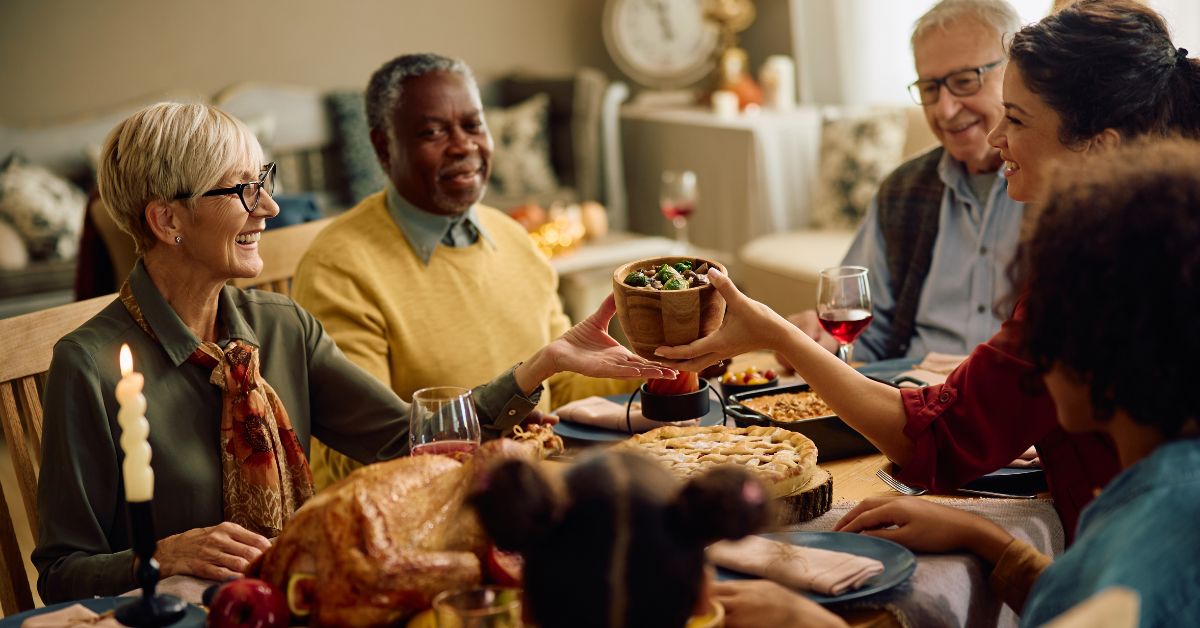
Dining together during Thanksgiving creates shared experiences that build lasting bonds among residents. Breaking bread together acts as a catalyst for genuine connections—extending well beyond simple nourishment. For many older adults, food connects deeply to family culture, with their strongest memories often centered around preparing meals and gathering around a shared table.
Residents reflect on life milestones together
Thanksgiving provides natural opportunities for storytelling and shared reflection. Communities can organize story-sharing sessions where residents discuss what they’re thankful for, recall past holidays or share favorite family traditions.
These reflective conversations allow older adults to revisit happy memories, creating joy while building deeper connections with fellow community members. Story-sharing sessions preserve valuable family history while creating meaningful exchanges between residents. Through these shared reflections, residents discover common experiences and develop stronger relationships.
Family visits increase during the holidays
Holiday celebrations often draw relatives from near and far. Thanksgiving creates comfortable opportunities for residents living with memory conditions to reconnect with familiar faces in a supportive setting. When families bring holiday treats, photo albums or participate in community Thanksgiving activities, these visits not only enhance the celebration but also strengthen family relationships.
Events foster a sense of belonging
Thanksgiving celebrations in senior living communities create environments where everyone feels included and valued. Events like communal gratitude circles, themed meals and festive activities help combat loneliness while promoting genuine happiness.
These activities enhance the experience by keeping residents actively engaged in the celebrations. Participating in holiday-centered events helps older adults develop a deeper sense of community belonging—particularly meaningful for those adjusting to assisted living.
Gratitude Improves Emotional Wellness In Independent Living
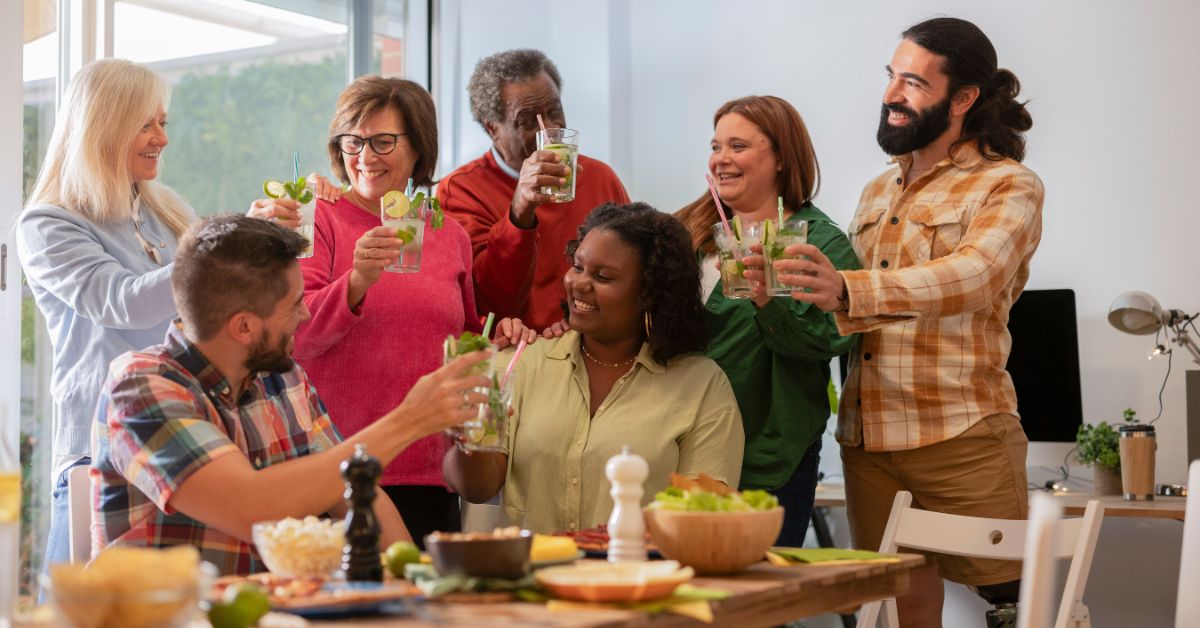
Gratitude acts as emotional medicine for older adults, especially those adapting to independent living environments. Gratitude interventions reduce symptoms of anxiety and depression (Journal Einstein, 2023) while increasing positive feelings and emotions. This emotional support becomes essential for people experiencing significant life changes.
Helps manage feelings of loss or transition
Moving to independent living often brings complex emotions—from leaving familiar surroundings to adjusting to new daily routines. Finding emotional stability becomes crucial during these changes. Gratitude practice provides exactly this anchor by directing attention toward what remains positive rather than focusing on losses.
Gratitude interrupts overwhelming emotions during periods of change. When transition feels difficult, pausing to recognize something positive—perhaps a kind conversation or comfortable living space—creates emotional space to breathe. This practice gradually shifts brain patterns away from stress responses toward more balanced emotional states.
Encourages a positive daily mindset
Daily gratitude practice supports ongoing emotional wellness beyond managing transitions. The emotional benefits extend to physical health as well. Gratitude practice reduces cortisol (stress hormone) levels, which lowers inflammation and its harmful physical effects. It also calms overactive nervous systems by reducing heart rate and blood pressure while normalizing breathing patterns.
Making Gratitude a Year-Round Tradition
The evidence is clear: gratitude creates measurable improvements in health, emotional wellness and social connection for older adults. What makes this particularly meaningful is how gratitude practices help residents build the relationships and daily routines that support long-term thriving.
Thanksgiving celebrations highlight these benefits beautifully. Shared meals create natural opportunities for connection. Story-sharing sessions preserve meaningful memories while building new friendships. Family visits during the holidays strengthen existing bonds while introducing residents to extended networks of support.
Ready to experience a community built on appreciation and respect? Call Corewell Health – The Commons at Dearborn at (800) 642-4663 today and schedule your personal tour. Discover how a culture of gratitude can support your wellbeing and help you thrive.
FAQs
Q1. How does Thanksgiving boost happiness for residents in senior living communities?
Thanksgiving is all about connection and togetherness. Shared meals, family visits and storytelling bring residents closer and create a real sense of belonging. It’s also a time for reflection — celebrating memories and life milestones with others makes the day especially meaningful.
Q2. Can gratitude practices actually improve physical health for older adults?
Yes, they really can. Practicing gratitude can strengthen the immune system, lower blood pressure, improve sleep and even help manage stress. Over time, these benefits add up — supporting better physical health and overall well-being.
Q3. Are there lasting benefits to having a gratitude-centered culture in senior living? Definitely, a culture of gratitude helps residents and staff feel more connected, builds stronger relationships and supports smoother transitions through different stages of care. It also encourages positive daily habits that improve mood, health and overall quality of life — creating a community where everyone can truly thrive.