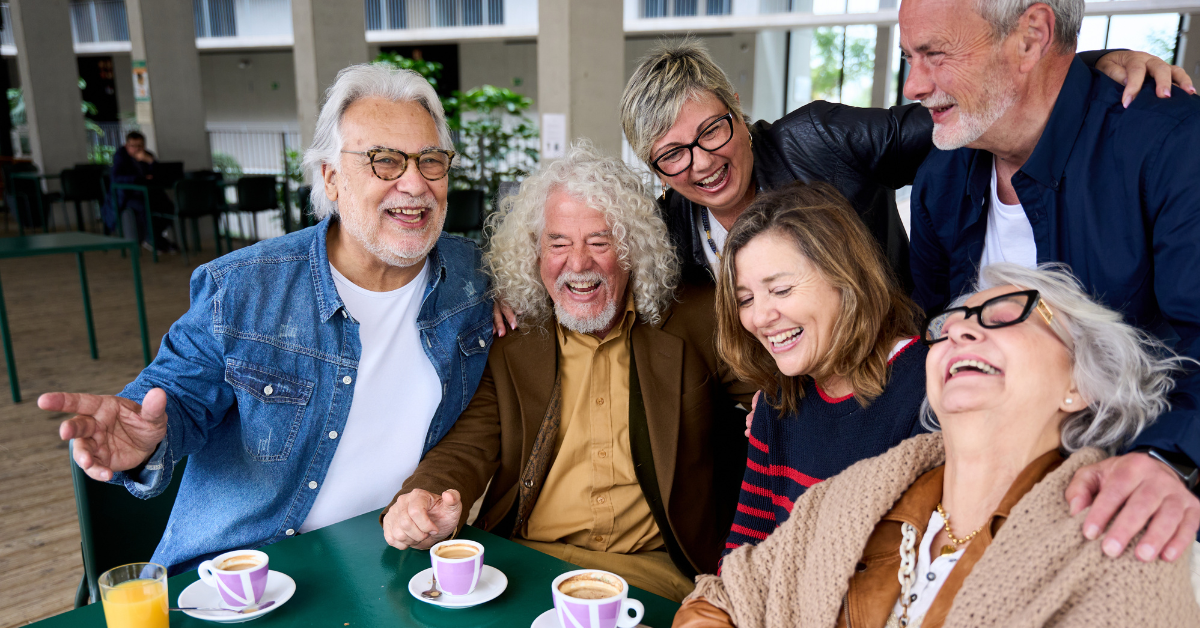
Your Best Chapter: Gratitude at Our Retirement Community
The science is clear: intentional gratitude practice doesn’t just improve individual well-being at our retirement community in Farmington Hills, MI—it creates positive ripple effects throughout retirement communities, fostering deeper connections and transforming ordinary moments into extraordinary experiences of joy and fulfillment.
Gratitude can transform your retirement years into your most fulfilling chapter through some practices and meaningful community connections.
Through this blog, you will see how intentional gratitude practices enhance the well-being of seniors and create positive ripple effects throughout The Commons at Farmington Hills. Discover the science-backed ways gratitude can transform retirement into a joyful and fulfilling chapter, including journaling and sharing appreciation.
How Does Intentionally Practicing Gratitude Create a Pathway to a Truly Joyful Lifestyle in Independent Living?
You know that feeling when something just clicks? That’s what happens when seniors discover the real power of gratitude. This isn’t about forcing yourself to smile or pretending everything’s perfect. Gratitude is actually rewiring your brain in ways that make retirement genuinely more fulfilling.
How does gratitude improve emotional well-being for seniors?
Harvard researchers followed older adults for four years and discovered something remarkable: those who regularly practiced gratitude had a 9% lower risk of all-cause mortality compared to their less grateful peers (Harvard T.H. Chan School of Public Health, 2024). Even more impressive, gratitude seemed to protect against nearly every major health risk they studied, especially heart disease.
Why is gratitude essential for happiness after retirement?
Retirement can feel overwhelming at first. After decades of routine, suddenly having all this time and freedom can actually create stress. That’s where gratitude becomes your anchor.
When you practice appreciation, challenges start looking different. Instead of seeing retirement as losing your career, you might notice the gift of time to pursue interests you’ve always wanted to explore. Grateful seniors also tend to stay more active, particularly those who have the resources to enjoy retirement fully.
What are Five Simple Ways to Practice Gratitude Every Day?
Gratitude works best when it becomes part of your daily rhythm rather than just an occasional thought. These practices can significantly enhance your experience of independent living.
- Keep a daily gratitude journal
Your gratitude journal becomes a dedicated space to document the things you’re thankful for each day. Choose a format that feels right for you, whether it’s a beautiful notebook or a digital app. Set aside 5-10 minutes each day to write down 3-5 things you appreciate. These can range from simple pleasures to profound blessings like supportive relationships.
- Take mindful walks in nature
Mindful walking combines gentle physical activity with present-moment awareness, creating a powerful gratitude practice. Set aside 20 minutes daily for a walk outside, focusing on noticing positive sights, sounds and sensations around you.
Acknowledge each pleasant observation consciously as you walk—the architecture of a building you hadn’t noticed before, the melody of birdsong or the warmth of sunshine. Pause momentarily with each observation, identifying what makes it pleasurable to you. Different routes help prevent taking familiar surroundings for granted.
- Share appreciation with others
Expressing gratitude directly to others strengthens social bonds and enhances community connection. This practice creates positive feedback loops between the giver and receiver, fostering relationships that are crucial for senior wellbeing.
- Reflect on small wins before bed
Taking time to acknowledge small achievements before sleep can improve your rest and mental outlook. Recording even modest accomplishments floods your brain with dopamine—the “feel-good” neurotransmitter linked to motivation and positive mood.
Each evening, identify one positive experience or accomplishment from your day. Spend two minutes mentally revisiting this event in detail, allowing yourself to fully appreciate its significance. This practice helps sensitize your brain to recognize more blessings daily.
- Start your day with a thankful thought
Beginning each morning with gratitude sets a positive tone for the entire day. Before rising, take a moment to identify something you’re looking forward to or appreciate about the coming day.
This morning ritual doesn’t require elaborate preparation—simply asking yourself “What am I grateful for today?” can shift your perspective toward the positive. Some seniors find it helpful to place visual reminders like inspirational quotes or photos of loved ones near their bedside to prompt grateful thoughts upon waking.

Enhancing Retirement
Gratitude serves as more than just a nice idea—it becomes a practical foundation for the retirement life you want to create. You have the power to shape these years into your most meaningful chapter. Gratitude provides a gentle yet powerful way forward. Choose one small practice today. Notice how it feels. Let that be your starting point.
Want to discover how gratitude can enhance your retirement experience? Call (248) 477-7400 to learn about The Commons at Farmington Hills. We’d love to help you explore how intentional thankfulness can make your retirement years truly fulfilling.
FAQs
Q1. What are some easy ways for older adults to practice gratitude every day?
There are plenty of simple ways seniors can bring more gratitude into their daily routines. Try keeping a short gratitude journal, taking peaceful walks and noticing the beauty in nature or telling someone you appreciate them. You can also reflect on small wins before bed or start each morning by thinking of one thing you’re thankful for.
Q2. How does gratitude help seniors handle life changes?
Gratitude can be a fundamental tool for navigating life’s transitions. Whether it’s adjusting to retirement, coping with health challenges or moving to a new living environment, focusing on gratitude helps build emotional resilience. It encourages a positive mindset, making it easier to adapt and find meaning in new experiences — even when things feel uncertain.