How Assisted Living Improves Cancer Prevention and Detection?
When families think about assisted living for their loved ones, cancer concerns often weigh heavily on their minds. The reality is sobering—cancer risk climbs steadily with age. Despite the increased vulnerability, many older adults miss crucial cancer screenings because their care gets scattered across different providers and systems. This is where assisted living in Farmington Hills, MI, becomes a lifeline, making early detection not only possible but also much more likely.
The structured environment of assisted living creates multiple nets that work together, transforming cancer prevention from isolated actions into a comprehensive lifestyle approach that gives families peace of mind while maximizing seniors’ health outcomes.
Through this blog, you will learn how retirement communities establish a comprehensive framework to prevent and detect cancer in seniors. A complete support system that works on multiple levels, from careful monitoring and seamless healthcare coordination to healthy lifestyle programs.
Why is Having Consistent Care Coordination in Assisted Living Necessary for Early Cancer Diagnosis?
Strong care coordination forms the foundation of effective cancer diagnosis for seniors. When poor coordination occurs between primary care providers (PCPs) and specialists, it often leads to preventable patient harm, increased mortality and disconnected care. Older adults facing cancer typically juggle multiple health conditions that require attention from different providers, making coordinated care even more essential.
Health assessments that actually catch things early
The nurses who work in assisted living communities become familiar faces, noticing when something changes. These on-site professionals can quickly utilize tools like the Geriatric assessment, which takes just minutes but covers a wide range of issues, including weight changes, mobility concerns, cognitive shifts and medication concerns. When someone knows your usual patterns, they spot the subtle differences that could signal something needs attention.
Getting the right tests at the right time
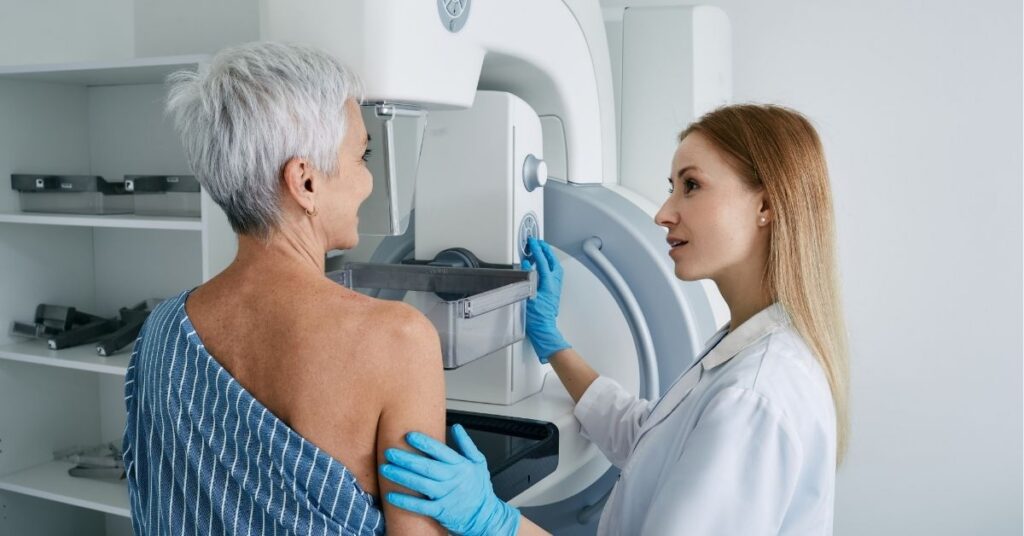
Too many seniors miss screenings simply because no one has informed them that they are needed or they simply forget. Assisted living staff can ensure residents stay current with:
- Annual mammograms for women 45-54, transitioning to biennial screening at 55+
- Colorectal cancer screening starting at age 45, continuing through age 75, for those with good health
- PSA testing decisions for men based on individual risk factors
Centralized medical records and communication
Having all health information in one place significantly improves cancer detection. Electronic health records help by storing complete clinical details, including prescriptions, diagnoses, procedures, vital signs and lab results from every care setting.
Collaboration with primary care and specialists
When specialists and primary care doctors work together, cancer survivors benefit enormously. Primary care doctors often excel at preventing non-cancer health problems better than cancer specialists. Innovative collaboration addresses a key finding: patients seen only by cancer doctors get better cancer monitoring, while those followed by primary care doctors receive better prevention for other health conditions.
Family Involvement in Care Planning
Family members play a crucial role as partners in cancer care coordination. Most cases where patients lose decision-making ability involve family members making decisions on their behalf. Family members offer both practical help and emotional support that make care planning work better. Their participation helps families feel more confident about making important decisions and ensures patients’ wishes are honored.
How Does Lifestyle Impact Cancer Prevention for Seniors?
Your daily choices matter more than you might think when it comes to cancer prevention. The habits you embrace today can significantly influence your cancer risk tomorrow.
Nutrition programs that embrace plant-based eating
Phytochemicals—those beneficial compounds found exclusively in plants—provide substantial protection against cancer. Here’s something remarkable: a study from the American Institute for Cancer Research reveals that for every 10-gram increase in fiber consumption, survival rates after cancer diagnosis improve by 13% (Balzer D., 2023).
Assisted living communities recognize this power. They create nutrition programs featuring colorful vegetables, fresh fruits, whole grains, beans, nuts and seeds while thoughtfully limiting red and processed meats.
Movement that fits your life
Physical activity directly lowers your risk of several cancer types, particularly colon, breast, endometrial, bladder, esophagus, kidney and stomach cancers. Consider chair yoga, gentle stretching, dancing or gardening—all of which count as beneficial moderate activity. Communities like The Commons at Farmington Hills also help you limit sedentary behavior, which, when done independently, increases the risks of obesity, diabetes, heart disease and certain cancers.
The Path Forward
Assisted living communities provide seniors facing cancer concerns with a comprehensive support system that works on multiple levels. These environments don’t just house older adults; they actively protect them through careful monitoring, healthy lifestyle programs and seamless coordination of healthcare.
Daily life in these communities naturally supports cancer prevention. Residents enjoy plant-based meals rich in fiber and phytochemicals that support cancer-fighting properties. They also participate in regular physical activity, which can mitigate the risk of different types of cancers.
What really stands out is how this approach brings peace of mind. Families know their loved ones receive consistent, professional oversight while maintaining independence and self-esteem. The combination creates an environment where seniors can focus on living well rather than worrying about what might slip through the cracks.
You can experience this integrated approach to senior wellness firsthand—simply call The Commons at Farmington Hills at (248) 477-7400 to schedule a tour and discover how our preventive health measures can benefit you or your loved one.
FAQs
Q1. How effective are lifestyle changes in preventing cancer for seniors?
Lifestyle improvements play a crucial role in lowering cancer risk among seniors. A nutrition rich in grains, vegetables and fruits, supported by regular physical activity, can help reduce the risk of developing many types of cancer. Assisted living communities often support these changes through structured wellness programs that promote healthy eating, fitness and overall well-being.
Q2. What specific activities in assisted living can help prevent cancer?
Assisted living communities offer a range of health-promoting activities that may help reduce the risk of cancer. These include daily fitness classes, balanced meal plans, stress-reducing practices like yoga or meditation and opportunities for social interaction. Educational workshops and regular health screenings also support early detection and prevention efforts.
Q3. How does care coordination in assisted living improve cancer detection?
Care coordination enhances cancer detection by ensuring clear communication between staff, residents and healthcare providers. Centralized health records, routine medical check-ups and proactive scheduling of screenings enable the early identification of potential issues. This integrated approach helps ensure timely diagnosis and appropriate follow-up care.